Showing posts with label Health Benefits. Show all posts

Wednesday, 30 October 2013

Lychee - Health Benefits

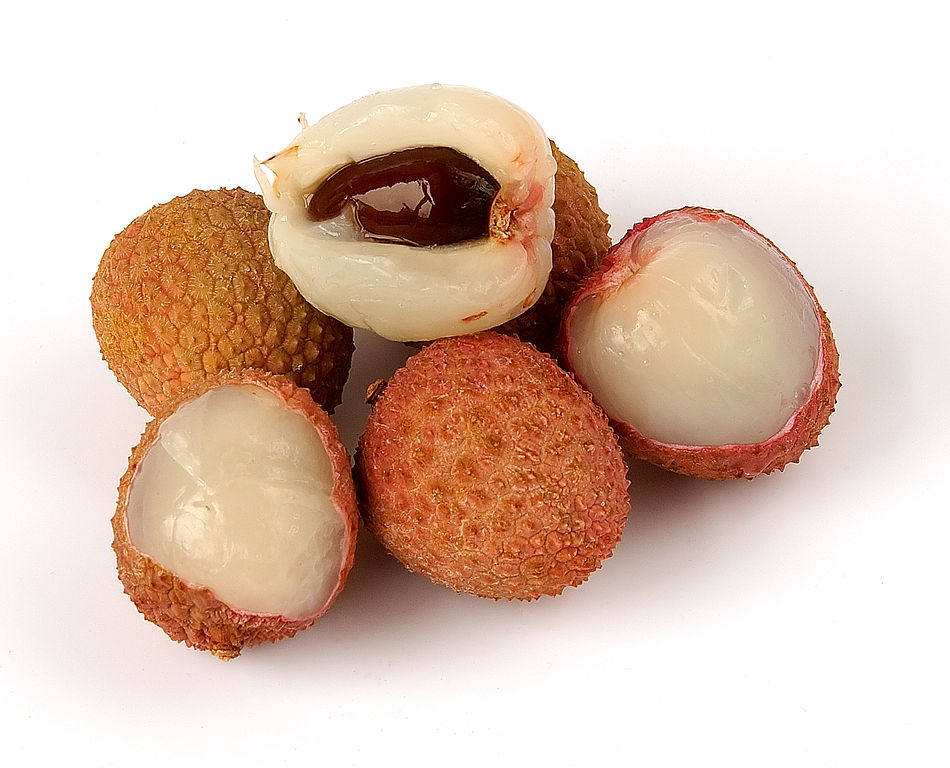
A lychee (pronounced LEE-ji) is a tropical fruit in the genus Litchi. It comes from southern China. Since it is tropical, it will only grow in a warm, wet climate.

The inside of a lychee is a clear, pinkish-white colour. The outside of the fruit is a hard spiky shell. Its seed is brown in colour and very hard. The seeds are poisonous and should not be eaten. The fruit is rare because dragonfruit climbs the bough on lychee plants, causing them to die. The lychee has a sweet taste, and may be frozen, made into sauces, jam, puree, or preserves. When frozen, the lychee tastes similar to sorbet.


Health benefits of Lychee

  • Lychee fruit contains 66 calories per 100 g, comparable to that in the table-grapes. It has no saturated fats or cholesterol, but composes of good amounts of dietary fiber, vitamins, and antioxidants.
  • Research studies suggest that oligonol, a low molecular weight polyphenol, is found abundantly in lychee fruit. Oligonol is thought to have anti-oxidant and anti-influenza virus actions. In addition, it helps improve blood flow in organs, reduce weight, and protect skin from harmful UV rays. (Takuya Sakurai (Kyorin University, Japan), Biosci. Biotechnol. Biochem., 72(2), 463-476, 2008).
  • Litchi, like citrus fruits, is an excellent source of vitamin C; 100 g fresh fruits provide 71.5 mg or 119% of daily-recommended value. Studies suggest that consumption of fruits rich in vitamin C helps the human body develop resistance against infectious agents and scavenge harmful, pro-inflammatory free radicals.
  • Further, it is a very good source of B-complex vitamins such as thiamin, niacin, and folates. These vitamins are essential since they function by acting as co-factors to help the body metabolize carbohydrates, protein, and fats.
  • Litchi also contains a very good amount of minerals like potassium and copper. Potassium is an important component of cell and body fluids help control heart rate and blood pressure; thus, it offers protection against stroke and coronary heart diseases. Copper is required in the production of red blood cells.


Selection and storage


  • Fresh lychee fruits are available in the markets from June to October. The Fruit must be allowed to ripen fully on the tree itself since the ripening process stops soon after harvested. Over maturity makes them turn dark-brown in appearance and lose their luster and flavor. While harvesting, snip off the entire fruit brunch, keeping just a short piece of the stem attached to the fruit.
  • In the store, choose fruits that feature fresh, without cuts or mold. Litchis have a very good shelf life. Fresh fruits can be kept at room temperature for up-to five days and can be stored for up to five weeks in the refrigerator. They can also be frozen or dried and canned for export purposes.

Preparation and serving methods

Separate each fruit from the brunch and wash them in cold water. To peel; gently pinch at stem end and peel away outer coat slowly as in the top picture. Furthermore, using a small-paring knife, make an incision over its outer tough skin lengthwise all the way to tip. Take care not to press the fruit otherwise you squirt its juice! Next; carefully peel away the tough outer skin along with the inner thin membrane to expose beautiful, jelly textured translucent white flesh. Once you remove its outer cover, put the whole berry in the mouth as you do in seed grapes. Do not bite. To enjoy, gently suck its divinely sweet juice by rolling between your tongue and palate and spit out the seed.

Here are some serving tips:
  • Fresh lychee arils or flesh should be enjoyed all alone without any additions.

  • Litchi slices can be a great addition to fruit salads and dressings.
  • Lychee juice can be a refreshing drink during summer season.
  • Litchis can be used in jellies, jams, sorbet, sauces, and syrups.

Monday, 14 October 2013

Health Benefits of Fruits

Fruits are nature’s wonderful gift to mankind; indeed, medicines packed with vitamins, minerals, anti-oxidants and many phyto-nutrients (Plant derived micronutrients). They are an absolute feast to our sight, not just because of their color and flavor but for their unique nutrition-profile that help the human body free of diseases and stay healthy!
Fruits are low in calories and fat and are a source of simple sugars, fiber, and vitamins, which are essential for optimizing our health.

Fruits provide plenty of soluble dietary fiber, which helps to ward of cholesterol and fats from the body and to get relief from constipation as well.

Fruits contain many anti-oxidants like poly-phenolic flavonoids, vitamin-C, and anthocyanins. These compounds, firstly, help human body protected from oxidant stress, diseases, and cancers, and secondly; help the body develop capacity to fight against these ailments by boosting our immunity level. Many fruits, when compared to vegetables and cereals, have very high anti-oxidant value, which is something measured by their "Oxygen Radical Absorbent Capacity" or (ORAC).
Anthocyanins are flavonoid category of poly-phenolic compounds found in some "blue-fruits" like blue-black grapes, mulberries, acai berry, chokeberry, blueberries, blackberries, and in many vegetables featuring blue or deep purple color. Eating fruits rich in blue pigments offers many health benefits. These compounds have potent anti-oxidant properties, remove free radicals from the body, and thus offer protection against cancers, aging, infections, etc. These pigments tend to concentrate just underneath the skin.

Fruit’s health benefiting properties are because of their richness in vitamins, minerals, micro-nutrients, anti-oxidants, which helps the body prevent or at least prolong the natural changes of aging by protecting and rejuvenating cells, tissues and organs. Their overall benefits are manifold! Fruit nutrition benefits are infinite! You are protecting yourself from minor ailments like wrinkling of skin, hair-fall, and memory loss to major ailments like age-related macular degeneration (AMRD) of the retina in the eyes, Alzheimer’s disease, colon cancers, weak bones (osteoporosis)…etc., and the list of fruit nutrition benefits never ends!


Friday, 21 June 2013

Health Benefits of Melon

Here are some benefits of melon, namely:

  1. Melon fruit to maintain skin health
    Melon fruit that contains collagen protein compounds that affect the integrity of the cell structure in all connective tissue such as skin. Collagen also serve For accelerates wound healing and maintain skin firmness. If you often eat melon means the skin will not be rough and dry.
  2. Melon Fruit as Anti-cancer
    Melon fruit contains high carotenoid that this fruit can prevent cancer and reduce the risk of lung cancer. Melon fruit can prevent and kill cancer seeds that will invade our bodies. So try to avoid eating melon cancer.
  3. Melon Fruit as Anti stroke / heart
    Melon contains an anticoagulant called adenosine to stop clotting of blood cells which can lead to stroke or heart disease. So the melons will help smooth the blood in the body so that a small risk of stroke or heart disease incidence.
  4. Melon Fruit for Relieves heartburn.
    Water levels on melon fruit reached 95%, giving the effect that menyejukkan.Karena, melons can be useful to relieve heartburn.
  5. Melon Fruit for Smooth CHAPTER
    Melons can launch BAB (big water baung) when we have digestive problems then eat melon to be easy and smooth bowel movement. Water content in the melon is very good for digestion. Mineral content is able to eliminate the acidity of the body need to be eliminated because it can interfere with digestion, particularly in the stomach organ.
  6. Melon fruit helps heal kidney disease and eczema.
    Melon has a very good diuretic power so that it can help cure kidney disease and severe eczema and akut.Jika combined with lemon, melon can suppress the disease gout.

Wednesday, 19 June 2013

Plum - Health Benefits (All about it)

The plant is best described as small tree or large shrub and widely cultivated in the United States, Europe, Japan and China. Many cultivars of plums are grown all over the world, which differ in their colour  size and growing characteristics based upon their country of origin. Generally, each variety of the plum trees bears numerous, almost uniform sized fruits between May and September months.


Health benefits of Plums
  • Delicious, fleshy, succulent plums are low in calories (46 calories per 100 g) and contain no saturated fats; however, contain numerous health promoting compounds, minerals and      vitamins.
  • Certain health benefiting compounds present in the plum fruits, such as dietary fiber, sorbitol, andisatin are known to help regulate the functioning of the digestive system and thereby relieve constipation conditions.
  • Total antioxidant strength of plums measured in terms of ORAC (Oxygen radical absorbance capacity) is 6259 µmol TE/100 g. Fresh berries are a moderate source of vitamin C, which is also a powerful natural antioxidant. Consumption of foods rich in vitamin C helps the body develop resistance against infectious agents, counter inflammation and scavenge harmful free radicals.
  • Fresh plums, especially yellow Mirabelle type, are a moderate source of vitamin A and beta carotene. Vitamin A is essential for good eye sight. It is also required for maintaining healthy mucus membranes and skin. Consumption of natural fruits rich in vitamin A has found to protect from lung and oral cavity cancers.
  • The fruit is also good in health promoting flavonoid poly phenolic antioxidants such as lutein, cryptoxanthin and zea-xanthin in significant amounts. These compounds help act as scavengers against oxygen-derived free radicals and reactive oxygen species (ROS) that play a role in aging and various disease processes. Zea-xanthin, an important dietary carotenoid selectively absorbed into the retinal macula lutea where it is thought to provide      antioxidant and protective UV light-filtering functions.
  • Plums are plentiful in minerals like potassium, fluoride and iron. Iron is required for red blood cell formation. Potassium is an important component of cell and body fluids that helps controlling heart rate and blood pressure.
  • In addition, the berries are moderate sources in B-complex groups of vitamins such as niacin, vitamin B-6 and pantothenic acid. These vitamins are acting as cofactors help the body metabolize carbohydrates, proteins and fats. They also provide about 5% RDA levels of vitamin K. Vitamin K is essential for many clotting factors function in the blood as well as in bone metabolism and help reduce Alzheimer's disease in the elderly.
Selection and storage
Plums are available year round, but they are at their best between May until September. In the store, look for fresh fruits featuring rich colour and may still have a slight whitish "bloom," indicating that they have not been over handled. Avoid those ones with excessively soft, or with cuts or bruises. Ripen fruits yield to gentle pressure and feature a sweet aroma.
Slightly hard mature plums can be kept at room temperature until they ripen. Ripe ones can be placed in the refrigerator but should be brought to room temperature before being eaten in order to enjoy their rich flavour. Dry plums called "prunes," can be stored at room temperature for few days.

Preparation and serving method
Wash plums in cold running water just before using.  Fresh ripe plums should be enjoyed as a whole along with skin.
Cut section and stone-seed.
Incise lengthwise deeply until the hard seed felt and then remove the seed. Skin may be peeled off using paring knife as in apples. However, its peel not only provides good fiber content but also contains some health benefiting anti-oxidant pigments. Therefore, just wash the fruit and enjoy without discarding the skin. They can also be baked or stewed.


Here are some serving tips:
  • Plum sections are a great addition to salads.
  • The fruits are being used in the preparation of pie, desserts, jams and jellies.
  • They can also be used in a variety of recipes and are usually baked or poached.
  • Dried plums in general known as prunes are added to muffins, cakes, ice-creams, etc., as in other dry fruits like raisins, apricots and figs.

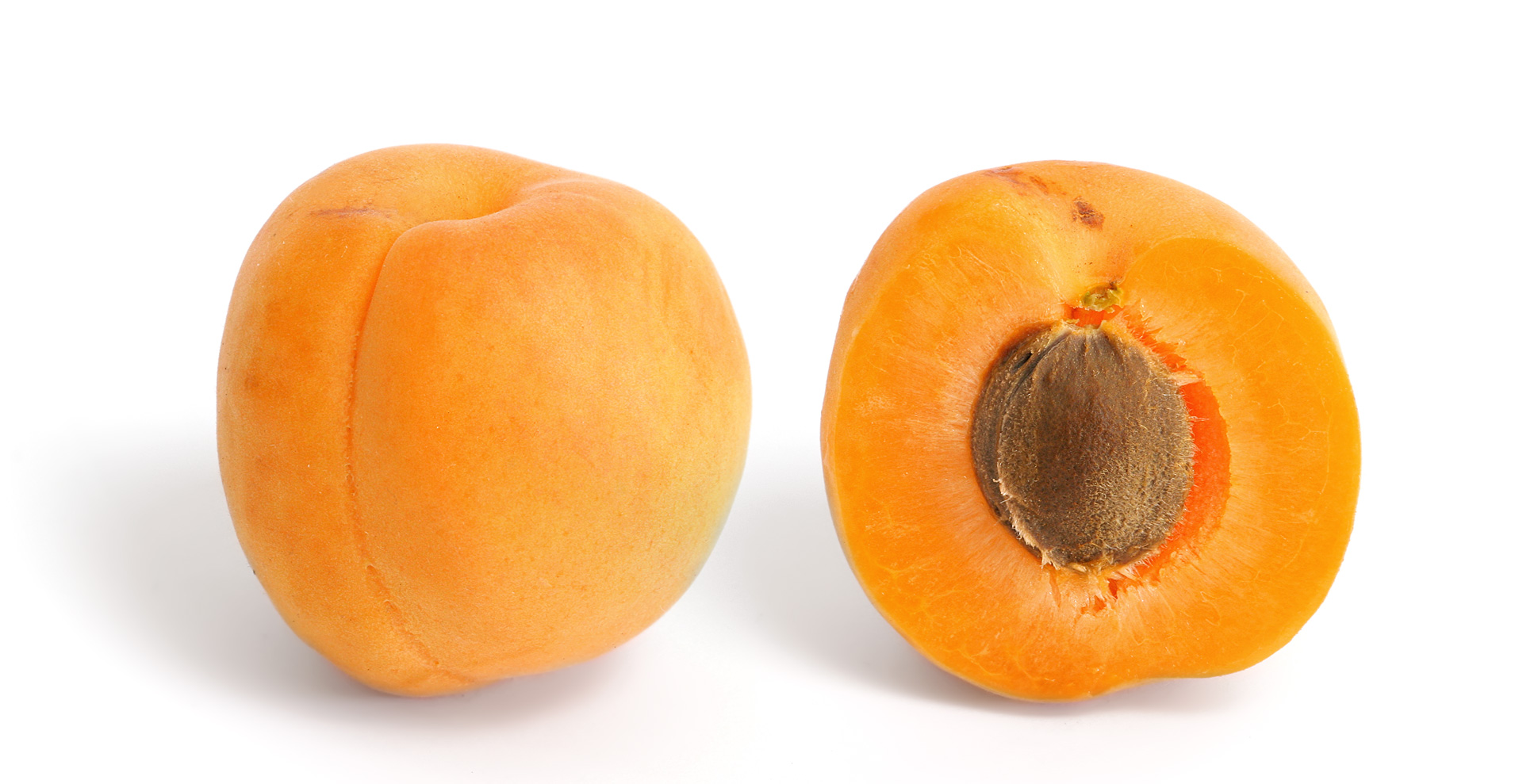
Apricots - Health Benefits (All About it)

Apricot
    Apricot is a drupe fruit. It is closely related to the plum.

    Description

    Plant: Small to medium sized tree, 8–12 m tall, with a trunk up to 40 cm in diameter with spreading, dense canopy; leaves are shaped somewhat like a heart, with pointed tips, about 8 cm (3 inches) wide.

      Flowers: Flowers are white to pinkish in color.


      Fruit: The fruit has only one seed; the color runs from yellow to orange and may have a red cast; the surface of the fruit is smooth and nearly hairless.

      • pricots are excellent sources of vitamin-A, and carotenes. 100 g fresh fruits have 1926 IU or 64% of daily-required levels of vitamin A. Both compounds are known to have antioxidant properties and are essential for vision. Vitamin-A is also required for maintaining healthy mucus membranes and skin. Consumption of natural fruits rich in carotenes helps protect the body from lung and oral cavity cancers

      • Fresh fruits contain vitamin-C, another natural anti-oxidant. Vitamin-C helps the body develop resistance against infectious agents and scavenge harmful oxygen-free radicals.
      • They are an also good source of minerals such as potassium, iron, zinc, calcium and manganese. Potassium is a heart-healthy mineral; an important component of cell and body fluids that help regulate heart rate and blood pressure.
      • The total anti-oxidant or ORAC value of raw apricots is 1115 umol TE/100 g. Much of this in these fruits comes from some important health promoting flavonoid poly phenolic anti-oxidants such aslutein, zea xanthin and beta cryptoxanthin. Altogether, these compounds act as protective scavengers against oxygen-derived free radicals and reactive oxygen species (ROS) that play a role in aging, cancers and various disease process.
      • Further, zea-xanthin, a carotenoid selectively absorbed into the retinal "macula lutea" in the eyes where it is thought to provide anti-oxidant and protective light-filtering functions. Thus, consumption of fruits like apricots rich in zea-xanthin helps eyes protect from age-related macular disease (AMRD), especially in the elderly people.
      • Fresh fruits are low in calories, composing just 50 calories per 100 g weight. Nonetheless, they are rich source of dietary fiber, antioxidants, vitamins, and minerals. The fruits are enriched with numerous health promoting phyto-chemicals; that helps prevent heart disease, reduce LDL, ("bad cholesterol") levels and offer protection against cancers.